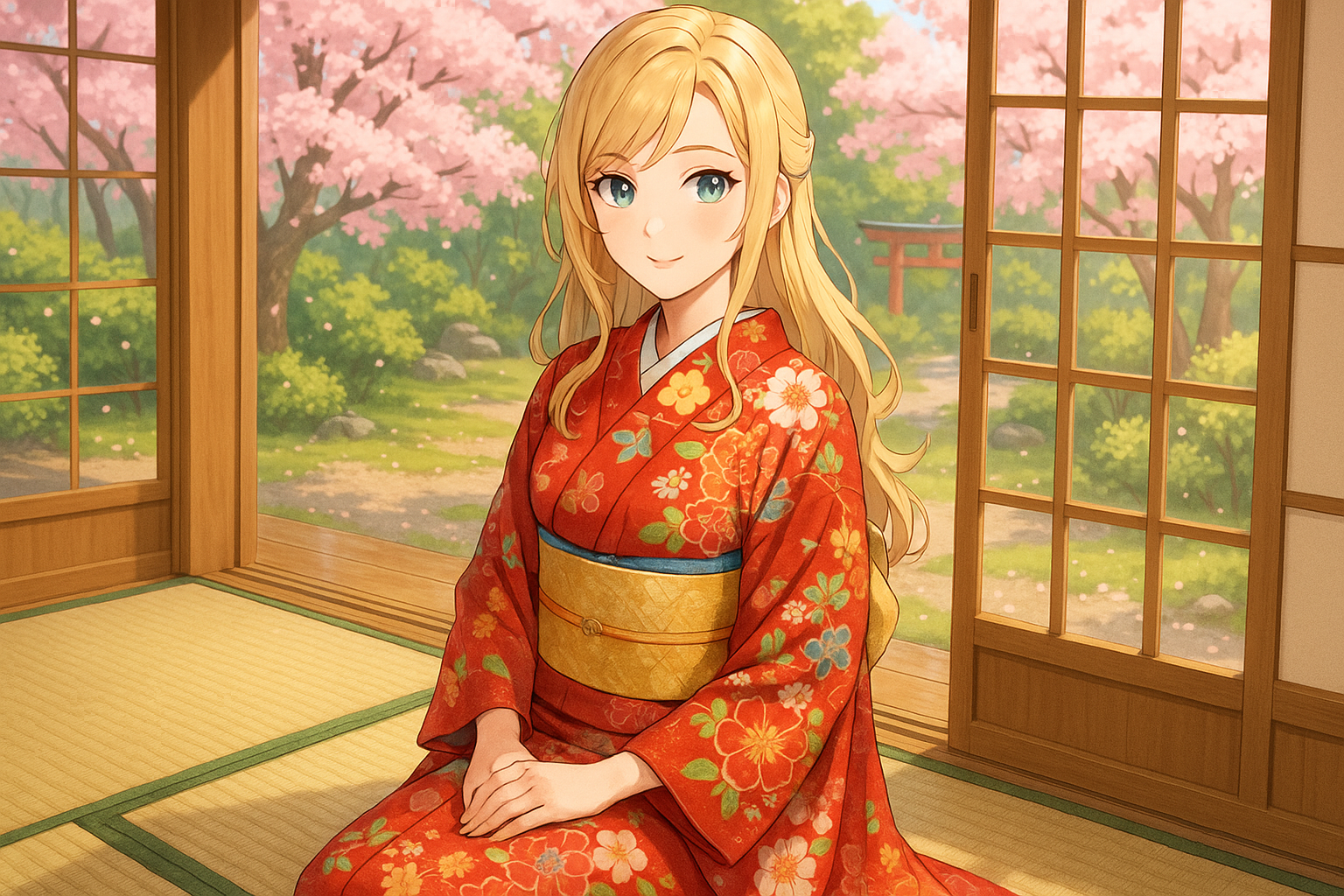
Introduction to Yukata and Kimono
Yukata and kimono are quintessential elements of Japanese culture, each offering unique experiences and styles. While both garments may appear similar at first glance, they have distinct differences that cater to various occasions and seasons. In this article, we will explore the nuances between yukata and kimono, providing you with insights into their wear, styles, and the cultural etiquette associated with each. Whether you are a beginner or looking to delve deeper into the world of traditional Japanese wear, this guide will help you appreciate and enjoy these beautiful garments.
Understanding Yukata: The Casual Summer Attire
What is Yukata?
A yukata is a lightweight, casual form of kimono typically made from cotton or synthetic fabric. Traditionally worn during the summer months, yukata are perfect for casual outings and festivals. Their breathable material makes them comfortable for the warmer climate.
Occasions to Wear Yukata
Yukata are most commonly worn at festivals, fireworks displays, and casual outdoor events. They are also popular in onsen (hot spring) resorts, where guests often wear yukata provided by the establishment.
How to Wear a Yukata
- Step 1: Start by wearing a slip or undergarments specifically designed for yukata.
- Step 2: Put on the yukata, ensuring the left side overlaps the right at the front. This is crucial as the opposite is reserved for funerals.
- Step 3: Secure the yukata with an obi (belt). The obi can be tied in various styles, with the most common being the simple "butterfly" knot.
- Step 4: Adjust the length and sleeves to ensure a neat silhouette.
Wearing a yukata is simpler compared to a kimono, making it an excellent choice for those new to traditional Japanese attire.
Exploring Kimono: The Elegant Traditional Wear
What is Kimono?
The kimono is a more formal garment, often made from silk and featuring intricate designs. Kimonos are worn on special occasions such as weddings, tea ceremonies, and other formal events. They come in various types, each suited to different occasions and seasons.
Types of Kimono
- Furisode: Worn by unmarried women, characterized by long, flowing sleeves.
- Tomosode: A formal kimono for married women, usually worn at weddings and ceremonies.
- Homongi: A semi-formal kimono suitable for both married and unmarried women, often worn to parties and receptions.
- Komon: A casual kimono with small, repeated patterns, ideal for everyday wear.
How to Wear a Kimono
Wearing a kimono is a more intricate process, often requiring assistance, especially for formal occasions. Here is a brief overview:
- Step 1: Wear a nagajuban (under-kimono) to protect the kimono and maintain its shape.
- Step 2: Put on the kimono, ensuring the left side overlaps the right at the front.
- Step 3: Secure with an obi, which can be tied in various elaborate styles depending on the occasion and type of kimono.
- Step 4: Use appropriate accessories such as obijime (decorative cord) and obiage (sash) to add elegance.
The complexity of kimono dressing is part of its charm, representing a timeless tradition passed down through generations.
Cultural Etiquette and Care for Yukata and Kimono
Essential Etiquette Tips
When wearing yukata or kimono, it is essential to follow certain cultural etiquettes to honor the tradition:
- Left Over Right: Always wear the left side over the right. The opposite is used for dressing the deceased, and hence, is considered inappropriate for the living.
- Footwear: Pair your yukata or kimono with appropriate footwear such as geta or zori sandals.
- Posture and Movement: Maintain a straight posture and take smaller steps to keep the garment from becoming disheveled.
Caring for Your Garments
Proper care extends the life of your yukata and kimono:
- Yukata: Generally machine-washable, but always check fabric care instructions.
- Kimono: Requires specialized cleaning, often needing professional services to maintain the delicate fabric and designs.
- Storage: Store in a cool, dry place, folded properly to prevent creases and damage. Consider using a tatoushi (special kimono wrapping paper) for additional protection.
Conclusion: Embrace the Tradition and Fashion
Yukata and kimono offer a glimpse into the rich tapestry of Japanese culture, blending tradition with fashion. Whether you are attending a summer festival in a breezy yukata or gracing a wedding in a sophisticated kimono, each garment provides an opportunity to connect with a centuries-old heritage. By understanding the differences, mastering the wear, and respecting the etiquette, you can fully appreciate and enjoy the beauty and elegance of these traditional Japanese garments. 🌸
着物ライフをもっと楽しく!
LoM Netでは、着物をはじめとした日本の伝統文化を現代に活かす情報を発信しています。
「あなたらしい装い」を見つけるお手伝いをします。
着物に関するご質問やご相談はこちら
お問い合わせフォームへ和装担当 / 公式キャラクター

Onigiri Kun