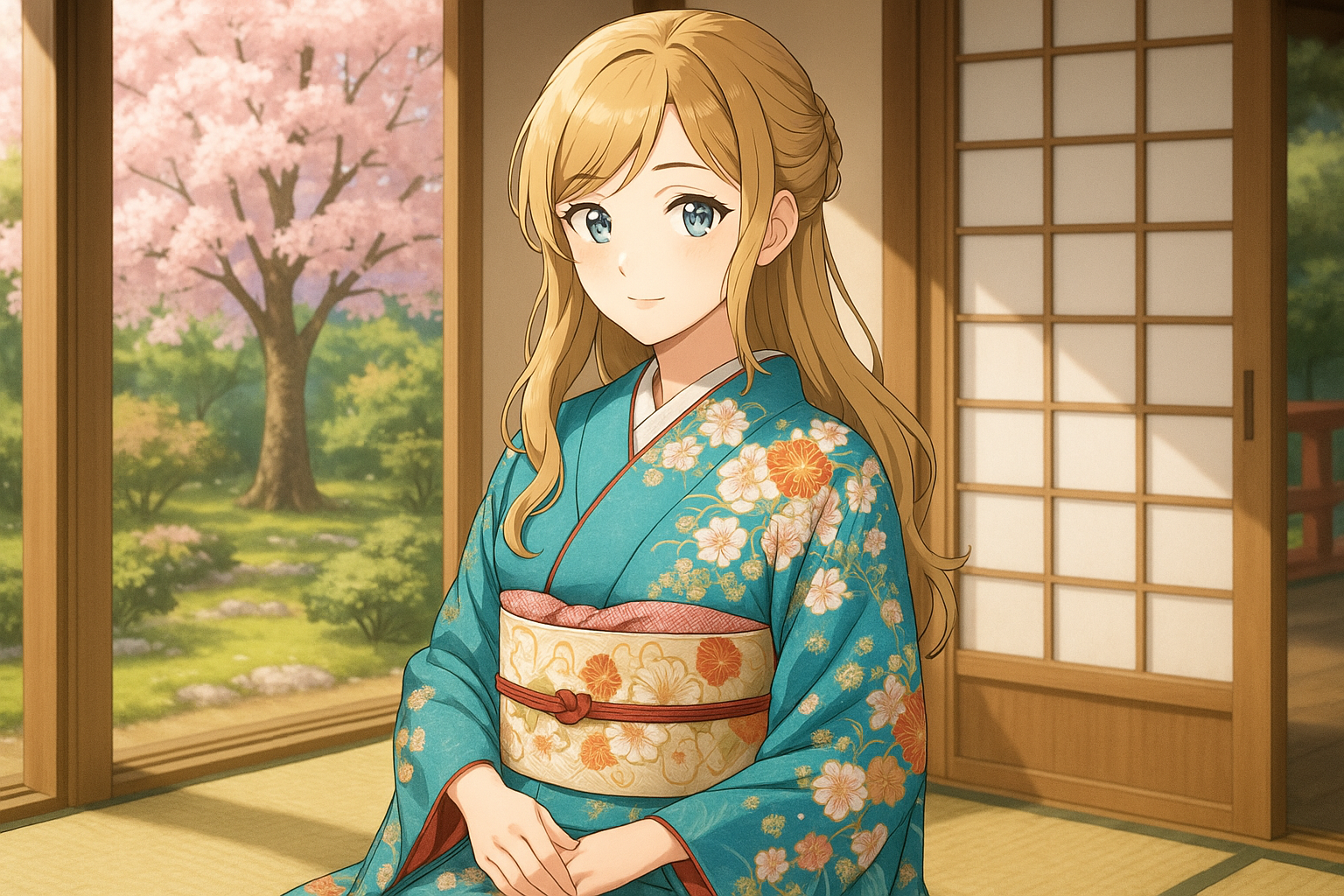
Kimono is an exquisite garment that embodies the rich cultural heritage of Japan. While it may seem daunting to wear one, especially for beginners, mastering the art of kimono dressing can be a delightful and rewarding experience. With a few practical tips and an understanding of basic techniques, anyone can enjoy the elegance of wearing a kimono. This guide will provide you with essential advice on kimono dressing, focusing on ease and simplicity to enhance your kimono journey.
Understanding the Basics of Kimono Dressing
Before diving into the dressing process, it's important to familiarize yourself with the basic components of a kimono ensemble. This understanding will make the dressing experience smoother and more enjoyable.
Essential Kimono Components
- Kimono: The outer garment, available in various styles and fabrics depending on the occasion.
- Nagajuban: An undergarment worn beneath the kimono to protect it from sweat and wear.
- Obi: A wide belt that secures the kimono in place, adding elegance and formality.
- Obiage and Obijime: Accessories that add refinement and are used to secure the obi.
- Tabi: Traditional split-toe socks worn with sandals.
- Zori: Traditional sandals worn with kimono.
Step-by-Step Kimono Dressing Guide
Now that you are familiar with the components, let's walk through the kimono dressing process. This step-by-step guide is tailored for beginners, ensuring a comfortable and well-fitted kimono experience.
Step 1: Preparing the Nagajuban
The nagajuban is crucial as it forms the foundation for the kimono. Follow these steps:
- Wear a hadajuban (undershirt) and susuoyoke (underskirt) to absorb sweat and maintain hygiene.
- Put on the nagajuban, ensuring it is wrinkle-free and comfortably fitted.
- Secure it with a koshi-himo (waist cord) around your waist, making sure the garment falls evenly.
Step 2: Donning the Kimono
With the nagajuban in place, it's time to wear the kimono itself:
- Slide your arms into the kimono sleeves, ensuring the collar sits just above the nagajuban collar.
- Align the kimono so that it falls evenly at the back and front.
- Wrap the right side of the kimono over your body, followed by the left side, ensuring the hemline is even.
- Secure the kimono with a koshi-himo, tying it just below the bust.
- Adjust the collar so that it forms a V-shape at the back of the neck, with the inner collar peeking slightly.
Step 3: Tying the Obi
The obi is the highlight of the kimono ensemble, providing both function and style:
- Wrap the obi around your waist, starting from the back and bringing it forward.
- Ensure the obi is snug but comfortable, adjusting it so that it sits slightly above the koshi-himo.
- Secure the obi with an obi-makura (obi pillow) for added structure.
- Tie the obi in your preferred style, such as the otaiko (drum bow), which is simple and elegant.
- Finish by adding the obiage and obijime to keep everything in place and add decorative flair.
Additional Tips for Beginner Kimono Wearers
Aside from the basic dressing steps, here are some additional tips to enhance your kimono experience:
- Practice: As with any skill, practice makes perfect. Spend time familiarizing yourself with the movements and techniques.
- Comfort: Choose a kimono and accessories that suit your comfort level and the occasion. Lightweight fabrics and simple obi styles are great for beginners.
- Assistance: Don’t hesitate to seek help from experienced kimono wearers or attend a kimono dressing class for hands-on guidance.
- Mindfulness: Embrace the cultural significance and artistry of kimono, which adds depth and appreciation to your experience.
Conclusion
Kimono dressing, while initially challenging, can become an enjoyable and fulfilling practice with the right guidance and mindset. By understanding the components, following step-by-step instructions, and applying useful tips, beginners can confidently wear a kimono and appreciate its timeless elegance. Whether for a special occasion or simply to experience a unique aspect of Japanese culture, the kimono offers a beautiful way to connect with tradition and artistry.
Remember, the journey to mastering kimono dressing is as rewarding as the destination. Enjoy the process, and cherish the elegance and grace that comes with wearing a kimono.
着物ライフをもっと楽しく!
LoM Netでは、着物をはじめとした日本の伝統文化を現代に活かす情報を発信しています。
「あなたらしい装い」を見つけるお手伝いをします。
着物に関するご質問やご相談はこちら
お問い合わせフォームへ和装担当 / 公式キャラクター

Onigiri Kun