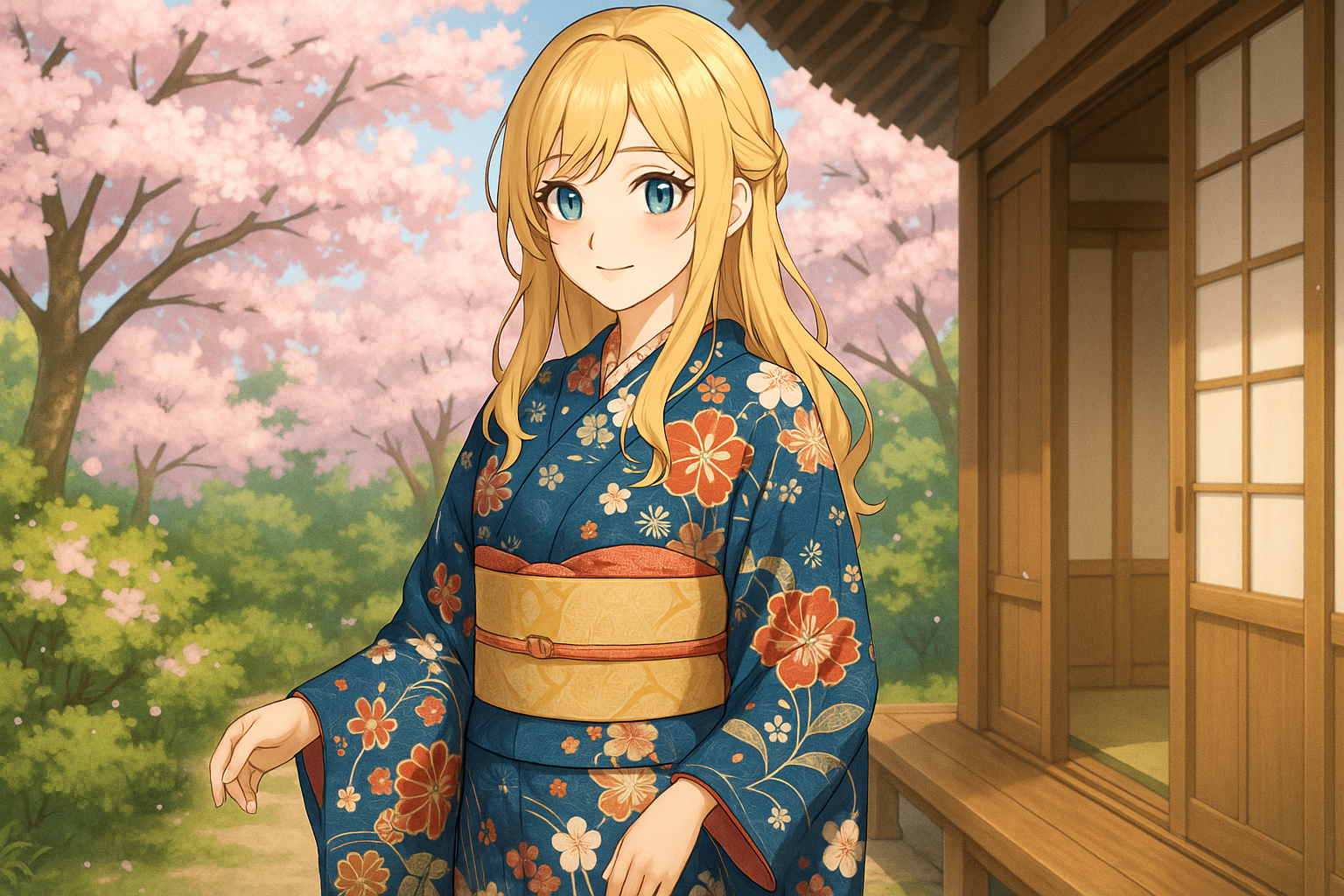
Embracing the elegance of a kimono can be a delightful journey, even for beginners. While the art of wearing a kimono, known as "kitsuke," might seem daunting at first, breaking it down into manageable steps can make the process both enjoyable and rewarding. In this guide, we will explore essential tips and techniques to help you master kimono dressing with ease.
Understanding the Basics of Kimono Dressing
Before diving into the actual process of kimono dressing, it's important to familiarize yourself with some basic elements and terminology. This foundation will not only make the process smoother but also enhance your appreciation of the kimono's cultural significance.
Essential Kimono Components
- Kimono: The main robe, traditionally made of silk, cotton, or synthetic materials.
- Obi: The wide sash worn around the waist, securing the kimono in place.
- Naga-juban: An undergarment worn beneath the kimono to keep it clean and provide a smooth layer.
- Haneri: A decorative collar attached to the naga-juban that peeks out from beneath the kimono collar.
- Obi-ita: A stiff board placed under the obi to maintain its shape.
Types of Kimono
Understanding the different types of kimono can help you choose the right one for various occasions:
- Furisode: A formal kimono with long sleeves, typically worn by unmarried women.
- Tomesode: A formal kimono with shorter sleeves, commonly worn by married women.
- Komon: A casual kimono with a small, repeated pattern, suitable for informal events.
- Iromuji: A single-colored kimono without patterns, often used for tea ceremonies and formal occasions.
Step-by-Step Guide to Wearing a Kimono
Now that you're familiar with the essential components and types of kimono, let's explore the step-by-step process of kimono dressing. These instructions are designed to be beginner-friendly, helping you achieve a neat and elegant look.
1. Preparing the Undergarments
Start by putting on the naga-juban. Ensure it fits comfortably and the haneri is properly attached and visible from the kimono collar. Adjust the length by pulling the hem up to your ankles and secure it with a koshi-himo (a thin sash).
2. Wearing the Kimono
Place the kimono over the naga-juban, ensuring that the back seam aligns with your spine. Adjust the length by folding the excess fabric at your waist, known as "ohashori." Secure the fold with another koshi-himo, ensuring it sits just below your bust.
3. Securing the Obi
The obi is the most visually striking part of the kimono ensemble. Here's how to tie it:
- Wrap the obi around your waist twice, keeping it snug but comfortable.
- Place the obi-ita at the front to maintain the obi's shape.
- Tie a decorative knot or bow at the back, ensuring it is centered and symmetrical.
4. Final Adjustments
Once the obi is secured, make final adjustments to ensure everything is in place. Check that the collars are aligned, the ohashori is even, and the sleeves are symmetrical. Don't forget to smooth out any wrinkles for a polished appearance.
Practical Tips for Beginners
As you practice kimono dressing, keep these helpful tips in mind:
- Practice Makes Perfect: Like any skill, kitsuke improves with practice. Start with casual kimono types before progressing to more formal styles.
- Seek Guidance: Watching instructional videos or taking a class can provide valuable insights and techniques.
- Comfort is Key: While aesthetics are important, ensure you are comfortable in your kimono. Adjust the fit as needed.
- Accessorize Thoughtfully: Complement your kimono with subtle accessories like hairpins or a matching bag to enhance your overall look.
Conclusion: Embrace the Art of Kimono Dressing
With patience and practice, kimono dressing can become a cherished ritual, allowing you to connect with tradition while expressing your unique style. By understanding the basics and embracing the process, you can transform the experience of wearing a kimono from intimidating to empowering. Remember, each time you wrap yourself in a kimono, you are partaking in a centuries-old tradition, steeped in culture and grace. Enjoy the journey of mastering kitsuke, and let the kimono's elegance inspire you. 🌸
着物ライフをもっと楽しく!
LoM Netでは、着物をはじめとした日本の伝統文化を現代に活かす情報を発信しています。
「あなたらしい装い」を見つけるお手伝いをします。
着物に関するご質問やご相談はこちら
お問い合わせフォームへ和装担当 / 公式キャラクター

Onigiri Kun