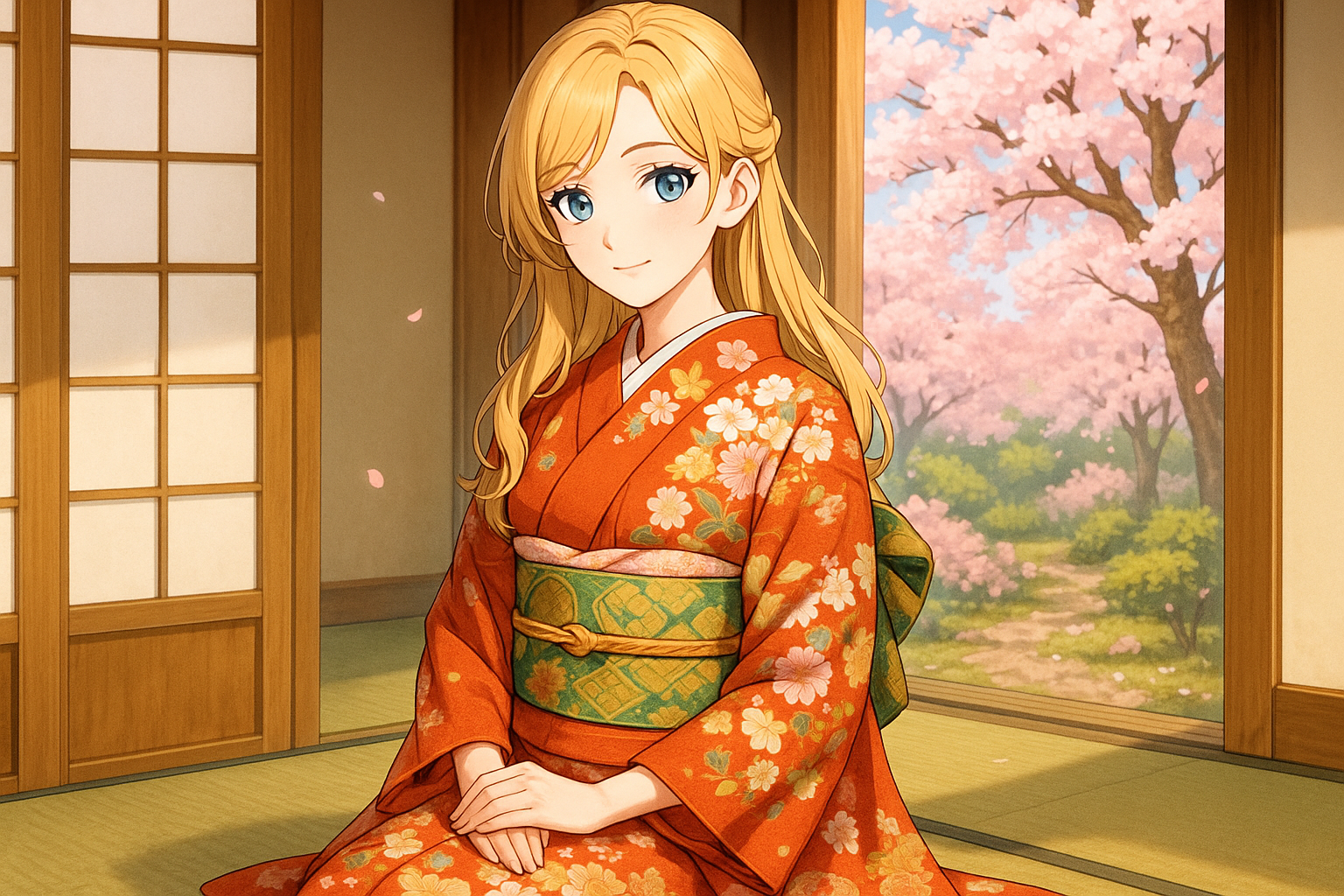
Embarking on the journey of kimono dressing can seem daunting for beginners, but with a few simple tips and techniques, you can confidently embrace this beautiful aspect of Japanese culture. In this guide, we provide practical advice and step-by-step instructions to help you master the art of kimono dressing with ease.
Understanding the Basics of Kimono Dressing
Before diving into the specifics of kimono dressing, it's essential to understand the fundamental components and terminology involved. A traditional kimono comprises several components, each playing a crucial role in the overall ensemble. Here are the key elements:
- Kimono: The main garment, typically made of silk or cotton, featuring long sleeves and a wrap-around design.
- Obi: A wide belt that secures the kimono and adds a decorative touch.
- Obiage and Obijime: Accessories that help hold the obi in place and provide additional decoration.
- Nagajuban: An undergarment worn beneath the kimono to protect it from sweat and body oils.
- Tabi: Traditional split-toe socks worn with zori sandals.
Familiarizing yourself with these components will make the process of dressing in a kimono more intuitive and enjoyable.
Step-by-Step Guide to Kimono Dressing
Step 1: Preparing Your Kimono and Accessories
Begin by laying out all your kimono components on a clean, flat surface. Ensure your kimono is wrinkle-free by gently steaming or pressing it beforehand. Gather your obi, obiage, obijime, and other accessories within reach to streamline the dressing process.
Step 2: Donning the Nagajuban
Wear the nagajuban over your undergarments, ensuring it fits comfortably and aligns with your neckline. Adjust the sleeves to match the length of your kimono sleeves. Secure it with a soft tie around your waist, allowing for ease of movement.
Step 3: Wrapping the Kimono
Now, it's time to wear the kimono itself. Follow these steps for a perfect wrap:
- Hold the kimono open and slip your arms through the sleeves.
- Center the kimono on your back, ensuring the hem falls just above your ankles.
- Bring the right side of the kimono across your body, tucking it snugly under your left arm.
- Wrap the left side over the right, creating a clean and symmetrical V-shape neckline.
- Adjust the length by gently pulling the kimono up or down at the waist, ensuring the hem remains level.
Secure the wrap with a koshi-himo (waist cord) tied snugly around your waist.
Step 4: Tying the Obi
The obi is a focal point of your kimono ensemble, and tying it correctly is crucial. Here is a simple method for beginners:
- Wrap the obi around your waist, starting from the back and bringing the ends to the front.
- Adjust the obi so that it sits comfortably above the koshi-himo, ensuring it is centered and level.
- Tie a simple knot in the front, then bring the ends back to the rear, tucking them securely under the wrapped portion.
- Use the obiage and obijime to add decorative touches and further secure the obi in place.
Ensure the obi is not too tight, allowing for comfortable movement and breathing.
Step 5: Final Adjustments
With your kimono and obi in place, make any necessary adjustments to ensure a neat and polished appearance:
- Smooth out any wrinkles or uneven areas in the fabric.
- Check the alignment of the sleeves and hem, making sure everything is symmetrical.
- Adjust the neckline to create a graceful V-shape that frames your face.
Embracing Kimono Etiquette and Style
Understanding kimono etiquette is as important as mastering its physical aspects. Here are a few tips to enhance your kimono-wearing experience:
- Posture: Maintain an upright posture with a straight back to complement your kimono's elegance.
- Movement: Take small, deliberate steps to prevent tripping over the hem and exude grace.
- Occasion Appropriateness: Choose the right kimono type and color based on the event, such as a formal ceremony or a casual gathering.
Conclusion: Enjoy the Art of Kimono Dressing
Kimono dressing is an art that combines tradition, elegance, and personal expression. By following these beginner-friendly steps and understanding the cultural significance, you can enjoy wearing a kimono with confidence and grace. With practice, you'll find that the process becomes a cherished ritual, allowing you to connect with Japanese culture in a meaningful way.
Embrace the beauty of kimono dressing and let it become a rewarding part of your fashion repertoire. 🍂
着物ライフをもっと楽しく!
LoM Netでは、着物をはじめとした日本の伝統文化を現代に活かす情報を発信しています。
「あなたらしい装い」を見つけるお手伝いをします。
着物に関するご質問やご相談はこちら
お問い合わせフォームへ和装担当 / 公式キャラクター

Onigiri Kun