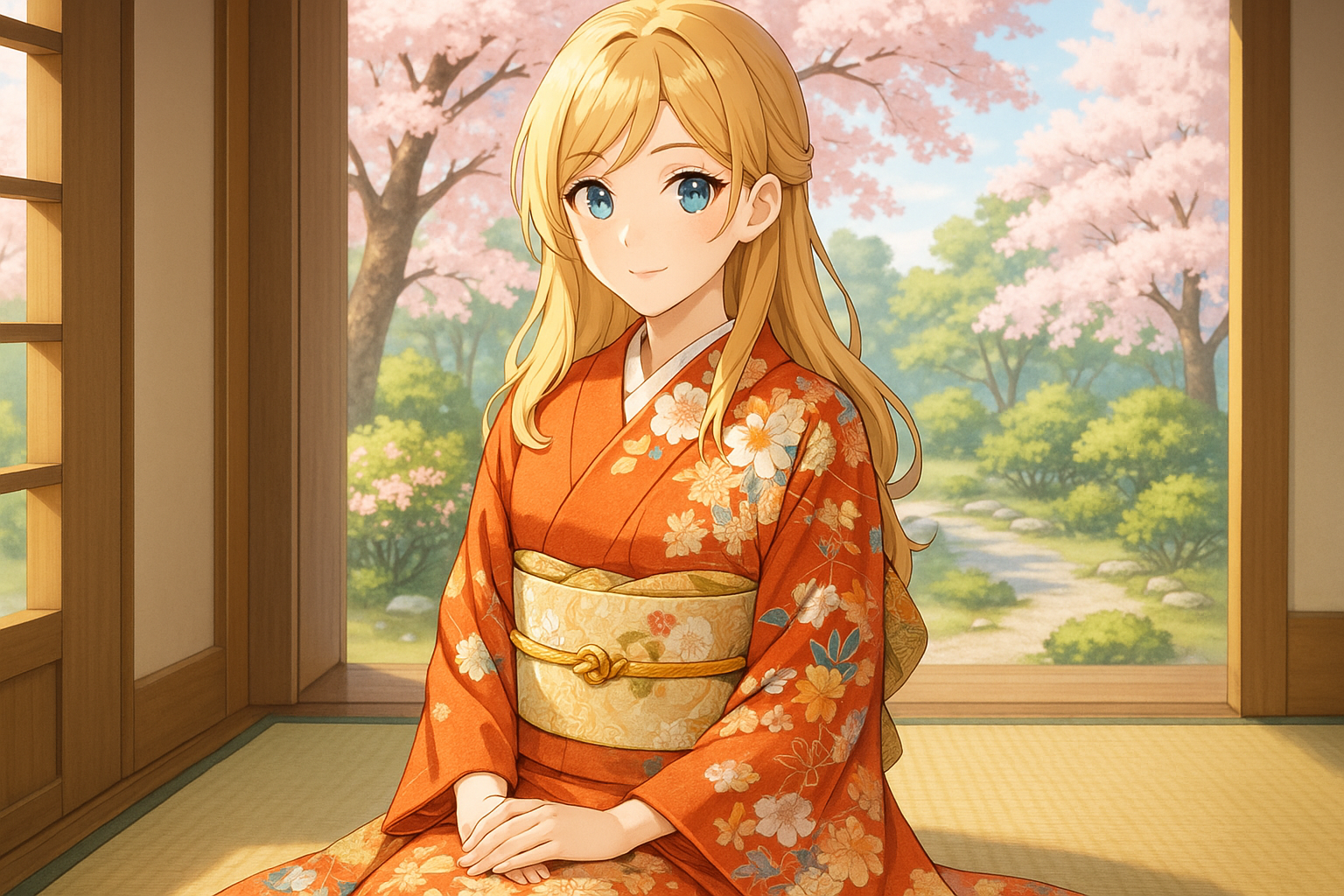
Introduction to Kimono Dressing
The art of kimono dressing, or "kitsuke," is a cherished tradition in Japan, offering a unique blend of elegance, history, and personal expression. For beginners, the idea of wearing a kimono might seem daunting, but with a bit of practice and understanding, anyone can learn to wear a kimono with grace and confidence. In this guide, we'll explore practical tips and techniques to help you master the basics of kimono dressing, from the essential steps of wearing a kimono to understanding its various components and styles. Whether you're preparing for a cultural event or simply exploring this beautiful fashion tradition, you'll find everything you need to get started right here.
Understanding the Basics: Types of Kimono
Before diving into the art of kimono dressing, it's essential to familiarize yourself with the different types of kimono. Each type has its own purpose, occasion, and level of formality. Here are a few common varieties:
- Furisode: Long-sleeved kimono worn by young, unmarried women, often for formal occasions like Coming of Age Day.
- Yukata: A casual, lightweight kimono typically worn during summer festivals.
- Tomesode: A formal kimono for married women, distinguished by shorter sleeves.
- Komon: A casual kimono with a repeated pattern, suitable for informal outings.
- Houmongi: A semi-formal kimono with elegant designs, often worn by guests at weddings.
Understanding these distinctions will help you choose the right kimono for your event and ensure that you adhere to cultural norms.
Essential Kimono Components
A complete kimono ensemble consists of several key components. Here’s a breakdown of the basics you’ll need:
- Kimono: The main garment, usually silk, with a specific style and pattern.
- Obi: A wide sash that ties around the waist, adding both style and function.
- Obiage and Obijime: Decorative accessories that hold the obi in place and add a splash of color.
- Nagajuban: An undergarment worn beneath the kimono to protect the fabric.
- Tabi: Traditional split-toe socks worn with kimono.
- Zori: Traditional sandals that complete the look.
Each component plays a vital role in the aesthetic and functionality of the kimono, so it's important to understand how they work together.
Step-by-Step Guide to Basic Kimono Dressing
Now that you're familiar with the types and components of kimono, let's dive into the actual process of dressing. Follow these steps to achieve a traditional and comfortable fit:
1. Prepare Your Base
Start by putting on the nagajuban, ensuring it fits comfortably and aligns with the neckline of your kimono. This layer serves as a protective barrier to keep your kimono clean and in place.
2. Don the Kimono
Wrap the kimono around your body, left side over right. This is a crucial step, as the reverse is reserved for funerals. Adjust the length by pulling the excess fabric up around your waist and securing it with a koshi-himo (waist tie).
3. Secure the Obi
Wrap the obi around your waist, ensuring it sits snugly above the koshi-himo. Tie it in a decorative knot, such as the "otaiko" or "taiko" for formal occasions. Use the obiage and obijime to secure and embellish the obi, adding a touch of personal style.
4. Final Adjustments
Make any necessary adjustments to the kimono and obi to ensure they are even and comfortable. Slip on your tabi socks and zori sandals to complete the ensemble.
Tips for Comfortable and Elegant Kimono Wearing
- Practice: Like any art, practice makes perfect. Try dressing in your kimono several times before your event to become comfortable with the process.
- Seek Guidance: If possible, learn from someone experienced in kitsuke. Their insights can be invaluable.
- Stay Relaxed: Wearing a kimono should be an enjoyable experience. Take your time, and don't rush the process.
- Embrace Imperfection: Remember, perfection is not the goal. Your confidence and enjoyment are what truly shine through.
Conclusion: Embracing Kimono as a Fashion Choice
Kimono dressing is a beautiful way to connect with Japanese culture and express your personal style. While it may seem intricate at first, with patience and practice, you can master the art of kimono dressing. By understanding the various types of kimono, their components, and the step-by-step dressing process, you'll be well-equipped to enjoy kimono as a versatile and elegant fashion choice. Whether you're attending a cultural event or simply exploring a new style, embracing the kimono can be a rewarding experience, allowing you to showcase both tradition and individuality. 🌸
着物ライフをもっと楽しく!
LoM Netでは、着物をはじめとした日本の伝統文化を現代に活かす情報を発信しています。
「あなたらしい装い」を見つけるお手伝いをします。
着物に関するご質問やご相談はこちら
お問い合わせフォームへ和装担当 / 公式キャラクター

Onigiri Kun