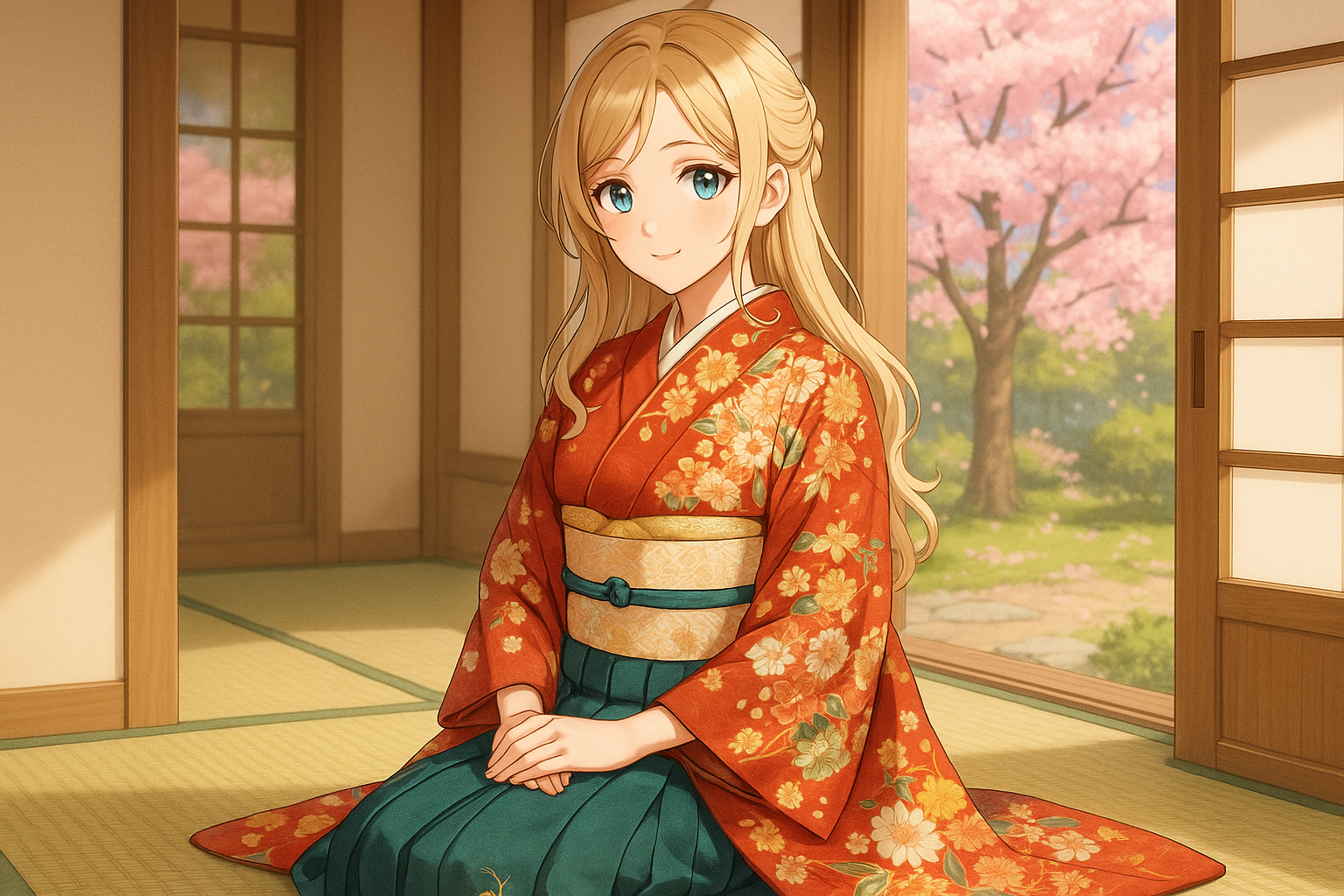
The art of wearing a kimono is a beautiful expression of Japanese culture and tradition. However, maintaining its elegance requires proper care and storage. In this guide, we will explore the best practices for kimono maintenance, ensuring that your cherished garment remains in pristine condition for years to come.
Understanding the Importance of Kimono Care
Kimonos are crafted from delicate fabrics such as silk, wool, or cotton, each requiring specific care to preserve their beauty and structure. Proper maintenance not only extends the life of your kimono but also retains its vibrant colors and intricate designs. Let's delve into the fundamental steps of kimono care.
1. Regular Cleaning: Keeping Your Kimono Fresh
Cleaning your kimono is essential to prevent grime and stains from becoming permanent. However, due to their intricate designs and delicate materials, kimonos should not be machine washed.
- Professional Cleaning: The safest way to clean a kimono is by taking it to a professional kimono cleaner. They have the expertise to handle delicate fabrics and intricate designs.
- Spot Cleaning: For minor stains, gently dab the affected area with a soft cloth dipped in lukewarm water. Avoid rubbing, as this can damage the fabric.
- Airing Out: Regularly airing your kimono helps in eliminating odors and moisture. Hang it in a shaded area with good airflow, avoiding direct sunlight to prevent fading.
2. Proper Storage: Protecting Your Kimono from Damage
Storing your kimono correctly is crucial in preventing damage from moisture, insects, and sunlight. Follow these guidelines to ensure your kimono remains in excellent condition.
- Use a Kimono Hanger: A kimono hanger is specifically designed to support the garment's weight and maintain its shape. Avoid regular hangers as they can stretch or distort the fabric.
- Storage Bags: Use breathable cotton or silk storage bags to protect your kimono from dust and light. Avoid plastic bags as they trap moisture, leading to mold and mildew.
- Climate Control: Store your kimono in a cool, dry place. Consider using silica gel packets to absorb excess moisture and cedar blocks to deter insects naturally.
3. Seasonal Care: Adapting to Changes in Weather
Different seasons bring varying challenges for kimono care. Here are some seasonal tips to keep in mind:
- Spring and Summer: These seasons are ideal for airing out your kimono due to the natural breeze. However, be cautious of humidity, which can lead to mold growth.
- Autumn and Winter: During colder months, ensure your storage area is free from dampness and consider using additional moisture absorbers.
Additional Tips for Kimono Longevity
Beyond cleaning and storage, there are additional practices that can help prolong the life of your kimono:
- Avoid Perfumes and Lotions: These can stain the fabric and attract insects. Apply them well before wearing your kimono.
- Handle with Care: When dressing, avoid pulling or tugging on the fabric. Gently adjust the kimono to avoid stress on seams and stitches.
- Regular Inspections: Periodically check your kimono for signs of wear or damage, addressing any issues promptly to prevent further deterioration.
Conclusion
Caring for your kimono may seem daunting at first, but with these practical tips, you can easily incorporate maintenance into your routine. By investing time in proper care and storage, you ensure that your kimono continues to be a cherished piece of cultural heritage, ready to be worn and admired for generations. Remember, a well-maintained kimono not only enhances your appearance but also honors the rich traditions it represents.
Embrace the art of kimono care and let your garment tell its own story of grace and elegance 🌸.
着物ライフをもっと楽しく!
LoM Netでは、着物をはじめとした日本の伝統文化を現代に活かす情報を発信しています。
「あなたらしい装い」を見つけるお手伝いをします。
着物に関するご質問やご相談はこちら
お問い合わせフォームへ和装担当 / 公式キャラクター

Onigiri Kun