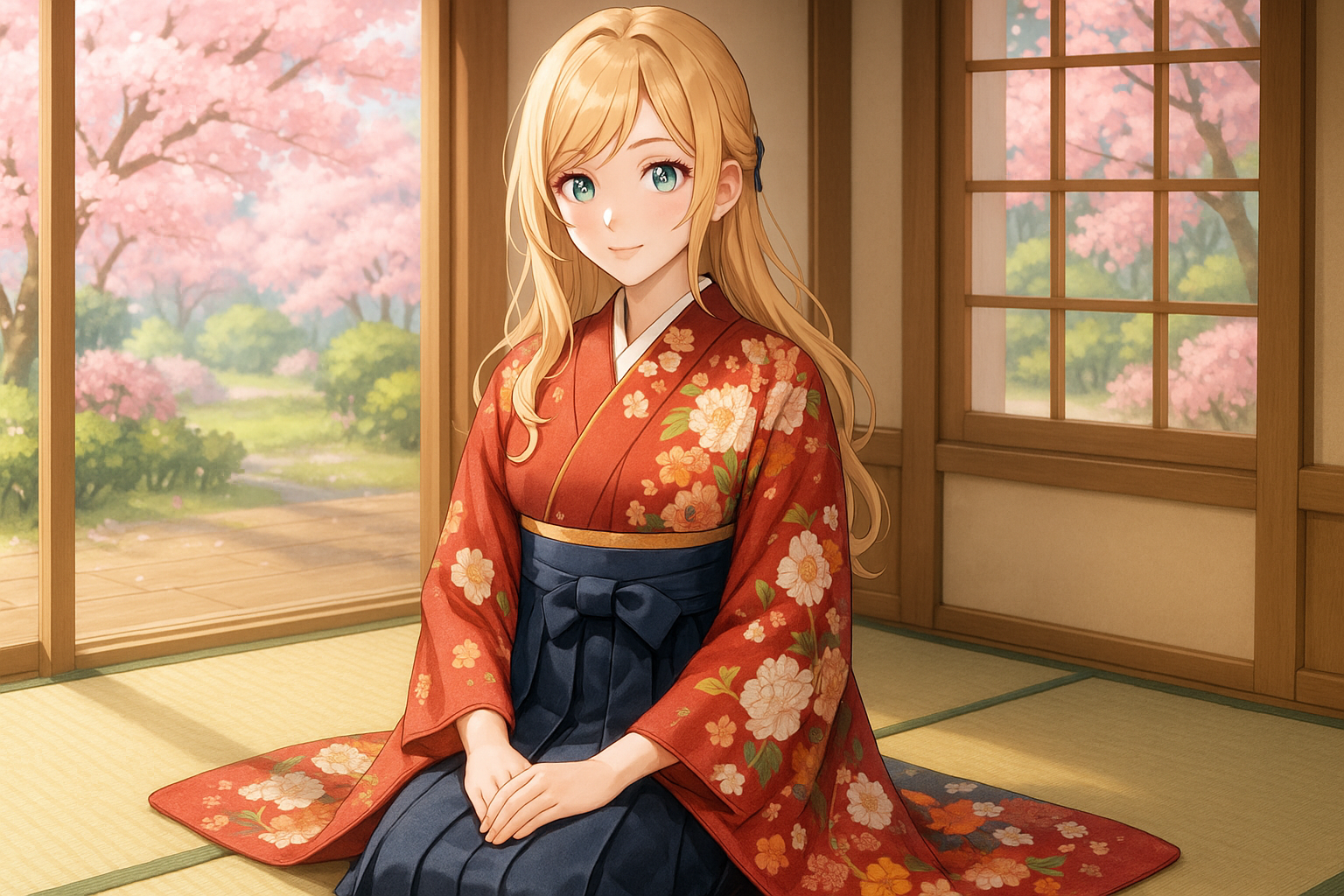
Kimono, the traditional Japanese garment, exudes elegance and cultural depth. However, wearing a kimono is more than just donning a beautiful piece of clothing; it involves embracing a set of refined manners and movements. Understanding how to carry oneself in a kimono not only enhances your appearance but also deepens your appreciation for this exquisite art form. In this article, we will explore essential kimono etiquette and provide practical tips for moving gracefully while wearing one.
Understanding the Basics of Kimono Etiquette
Kimono etiquette encompasses a range of behaviors and movements that are respectful and harmonious with the garment's traditional aesthetics. The following guidelines will help you become more comfortable and confident in your kimono:
- Posture: Maintain a straight posture. Imagine a string pulling you upwards from the top of your head. This not only complements the flowing lines of the kimono but also prevents the fabric from bunching.
- Walking: Take small, measured steps. Walking in a kimono requires a slightly different gait to prevent the hem from dragging. Keep your feet close together and glide smoothly.
- Sitting: When sitting on tatami mats, tuck your feet underneath you in a position known as seiza. Alternatively, cross your legs at the ankles if sitting on a chair. Always smooth the kimono fabric as you sit to avoid wrinkles.
Practical Tips for Moving in a Kimono
Walking Gracefully
To walk gracefully in a kimono, follow these steps:
- Adjust the Hem: Before you start walking, gently lift the hem of the kimono just above your feet. This prevents tripping and keeps the garment clean.
- Lead with Your Hips: Initiate movement from your hips rather than your knees. This helps maintain balance and reduces strain on the fabric.
- Use Your Hands: Place your left hand on the obi (belt) and your right hand slightly raised by your side. This position helps balance and adds an elegant touch to your movement.
Sitting with Elegance
Sitting in a kimono requires a bit of practice to maintain its shape and dignity:
- Prepare the Fabric: Before sitting, use your hands to smooth the kimono around your hips and knees. This keeps the material taut and wrinkle-free.
- Tuck Your Feet: If sitting on the floor, fold your legs underneath you in seiza, or if on a chair, cross them at the ankles discreetly.
- Exiting: When rising, place your weight on your back foot first, using your hands to guide the kimono into place.
Understanding Cultural Nuances
Understanding the cultural nuances associated with kimono can enhance your experience and convey respect for Japanese traditions:
- Seasonal Themes: Choose kimono patterns that reflect the season. Cherry blossoms in spring or maple leaves in autumn add a thoughtful touch.
- Occasion-Specific Styles: Different occasions call for different kimono styles. A formal event may require a more elaborate kimono, while casual gatherings allow for simpler designs.
- Respectful Interactions: When interacting with others, bow slightly and avoid unnecessary physical contact. This maintains the kimono's structure and upholds Japanese etiquette.
Conclusion: Embracing the Kimono Experience
Wearing a kimono is a journey into Japanese heritage, where every gesture and movement is imbued with meaning. By mastering the art of kimono etiquette, you not only honor this tradition but also transform your experience into a graceful dance of elegance and respect. Whether you are a beginner eager to explore kimono culture or a seasoned enthusiast looking to refine your skills, these tips will guide you in embodying the beauty and spirit of the kimono. Enjoy the elegance and timeless charm that comes with every step you take in this iconic attire.
着物ライフをもっと楽しく!
LoM Netでは、着物をはじめとした日本の伝統文化を現代に活かす情報を発信しています。
「あなたらしい装い」を見つけるお手伝いをします。
着物に関するご質問やご相談はこちら
お問い合わせフォームへ和装担当 / 公式キャラクター

Onigiri Kun