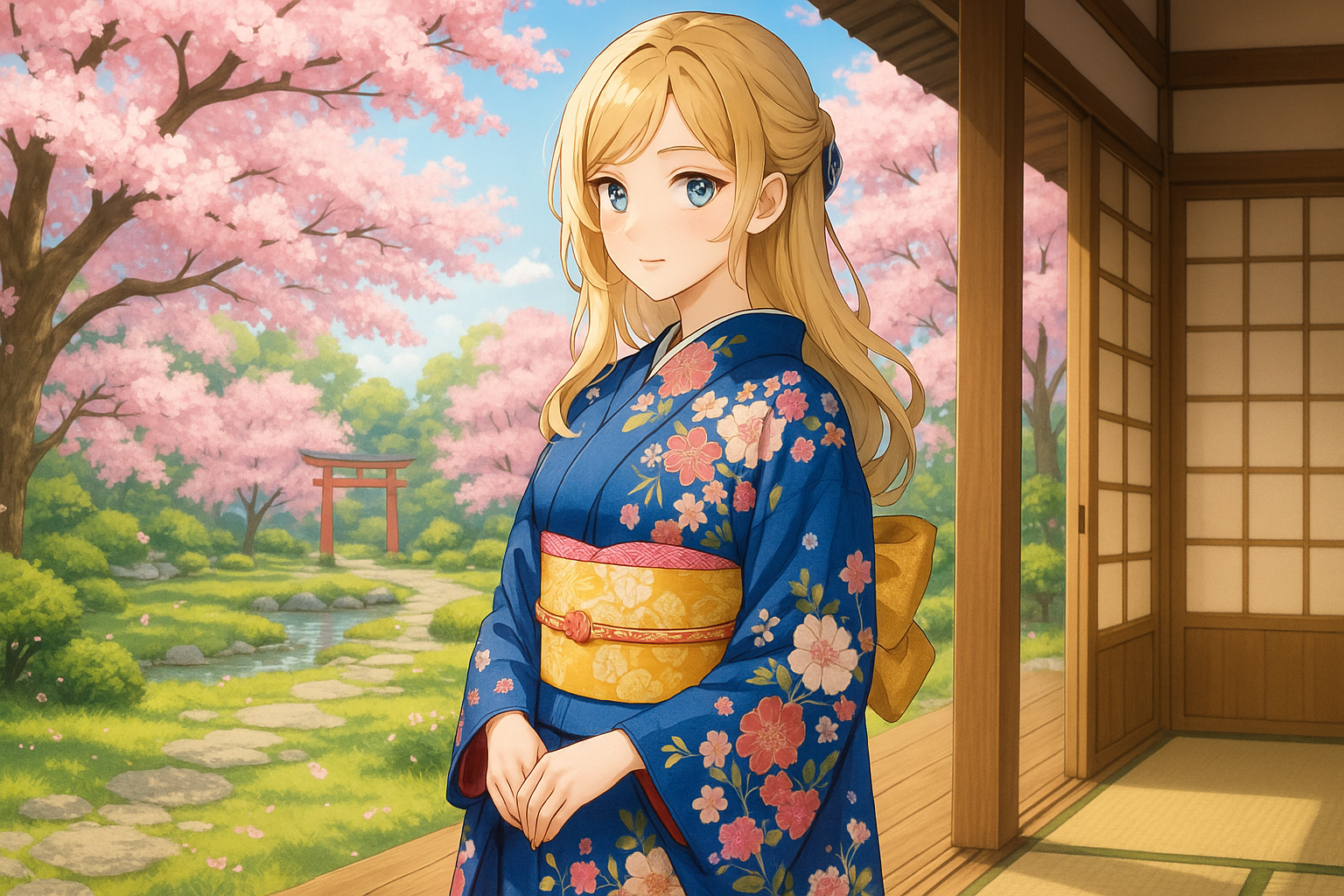
Wearing a kimono is more than just donning a beautiful garment; it is an invitation to step into a world where elegance and tradition blend seamlessly. To truly appreciate this cultural attire, one must also understand the nuances of kimono etiquette, particularly the art of standing, walking, and sitting gracefully. This guide will help you navigate the essential aspects of kimono etiquette, ensuring you move with both confidence and respect.
The Importance of Kimono Etiquette
Kimono etiquette is rooted in centuries of Japanese tradition, reflecting the culture’s emphasis on grace and decorum. Understanding these customs not only enhances your appreciation of the kimono but also shows respect for the culture it represents. Mastering these movements can transform your kimono-wearing experience, making it more comfortable and enjoyable.
Standing Tall: The Foundation of Elegance
When wearing a kimono, proper posture is vital. Start by aligning your body:
- Feet Position: Stand with your feet together, toes slightly pointed outward. This stance not only supports the flow of the kimono but also maintains balance.
- Back Alignment: Keep your back straight, shoulders relaxed, and chin slightly tucked. This posture exudes confidence and poise.
- Arms and Hands: Let your arms rest naturally by your sides. Hold your sleeves gently when necessary, ensuring they do not drag or get caught.
Remember, standing with elegance is the first step to making a lasting impression.
Walking with Grace: The Art of Movement
Walking in a kimono requires small, deliberate steps. The key is to maintain the garment’s natural flow without tripping over its hem.
- Step Size: Take smaller steps than usual, keeping your knees close together. This helps maintain the kimono's shape and prevents the hem from catching.
- Foot Placement: Lead with your toes, allowing the heel to follow gently. This creates a smooth, gliding motion.
- Arm Movement: Keep your arms close to your body, allowing your kimono sleeves to sway naturally. Avoid exaggerated arm movements as they can disrupt the garment’s flow.
Practicing this walking technique will help you move with the elegance and dignity that the kimono commands.
Sitting Gracefully: The Art of Repose
Sitting while wearing a kimono requires careful attention to detail. The goal is to maintain the garment’s integrity while ensuring personal comfort.
- Lowering Yourself: Bend your knees slightly, keeping your back straight. Use both hands to gently gather the front of the kimono to ensure it does not crease or bunch.
- Kneeling (Seiza): For traditional settings, kneel down by first setting your right knee on the ground, followed by the left. Sit back on your heels, keeping your posture upright.
- Western-Style Sitting: When sitting on a chair, gently lower yourself while keeping your knees together. Smooth the kimono fabric over your lap to maintain its elegance.
With these techniques, you can sit comfortably without compromising the kimono’s aesthetic.
Additional Tips for Kimono Etiquette
Here are a few more tips to enhance your kimono experience:
- Practice Makes Perfect: Rehearse these movements before your event to build confidence and fluidity.
- Mind Your Surroundings: Be aware of your environment to avoid snagging the kimono on furniture or other obstacles.
- Respect Traditions: Understanding the cultural significance of the kimono will deepen your appreciation and respect for this traditional attire.
Conclusion
Mastering kimono etiquette is an enriching journey that deepens your connection to Japanese culture. By embracing the elegance and sophistication of these movements, you will not only enhance your personal kimono experience but also honor the rich traditions behind this iconic attire. Whether attending a formal event or a casual gathering, these tips will help you move with confidence and style, embodying the timeless grace of the kimono.
着物ライフをもっと楽しく!
LoM Netでは、着物をはじめとした日本の伝統文化を現代に活かす情報を発信しています。
「あなたらしい装い」を見つけるお手伝いをします。
着物に関するご質問やご相談はこちら
お問い合わせフォームへ和装担当 / 公式キャラクター

Onigiri Kun