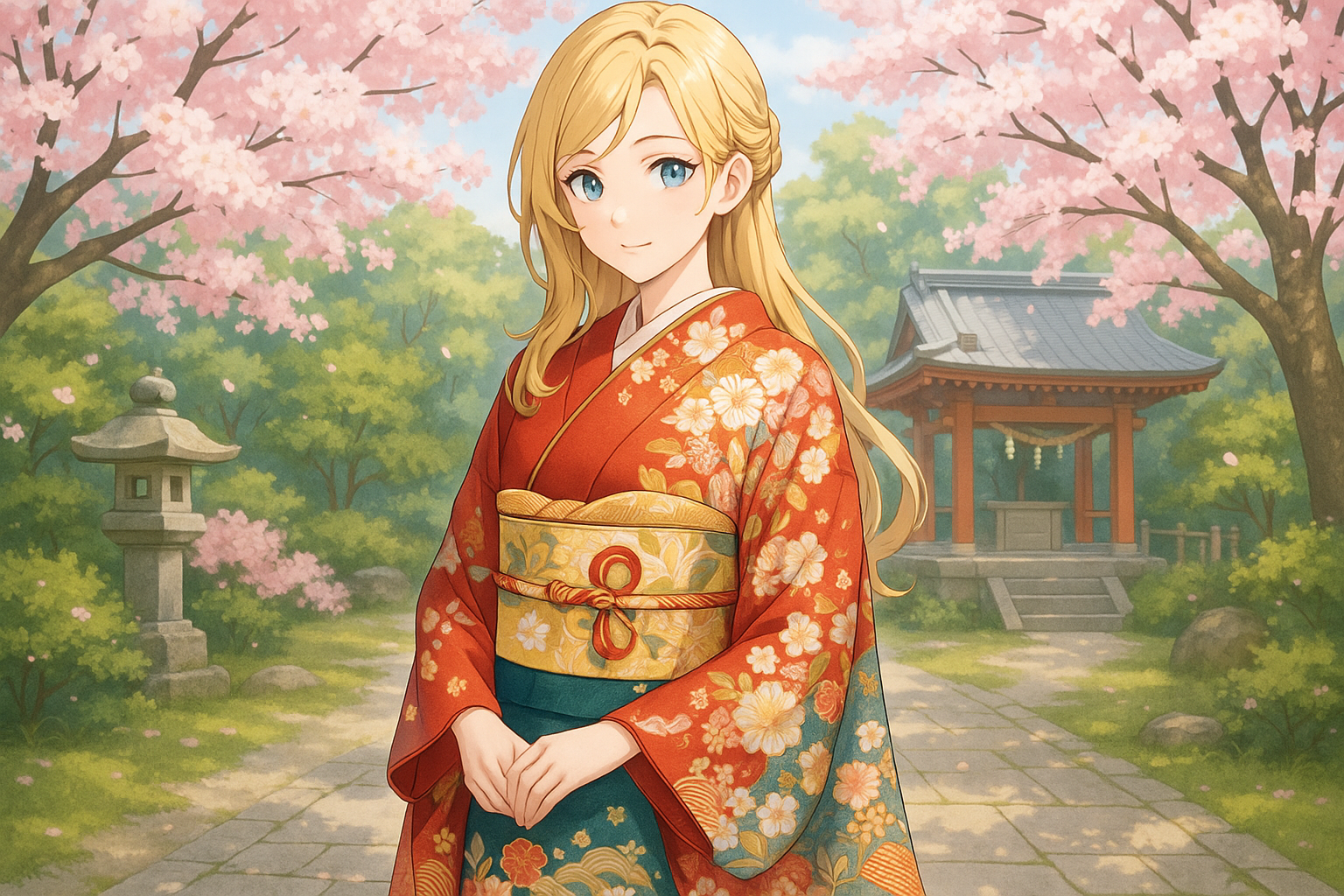
Introduction to Japanese Kimono Fashion
Japanese kimono fashion is a world of elegance and tradition. Each type of kimono carries its own story, purpose, and level of formality. Among these, the houmongi and tsukesage are two popular choices for semi-formal occasions. Understanding the differences between these two can enhance your appreciation of kimono culture and help you choose the perfect outfit for your next event.
What is Houmongi?
The term "houmongi" translates to "visiting wear." This type of kimono is often worn by married and unmarried women alike for semi-formal occasions, such as weddings, tea ceremonies, or art exhibitions. Houmongi are celebrated for their elegance and versatility.
Characteristics of Houmongi
- Design: The patterns on a houmongi flow seamlessly over the seams, creating a continuous and harmonious appearance. This design technique is called eba, allowing the artwork to look cohesive when the garment is worn.
- Material: Typically made from silk, houmongi feature intricate designs that often include motifs such as flowers, cranes, or landscapes.
- Formality: Houmongi are considered semi-formal and are suitable for a wide range of occasions.
What is Tsukesage?
Tsukesage, on the other hand, is slightly more casual than houmongi, making it a versatile option for less formal gatherings while still maintaining an air of sophistication. It is often chosen for events like casual tea ceremonies, parties, or even as a fashionable choice for dinner outings.
Characteristics of Tsukesage
- Design: Unlike houmongi, the patterns on a tsukesage do not cross the seams. The design is more contained, typically appearing on the shoulders or around the hem.
- Material: Tsukesage kimonos are also crafted from silk, but the designs tend to be simpler compared to those on a houmongi.
- Formality: Tsukesage are considered slightly less formal than houmongi, yet they still maintain an elegant appearance.
How to Choose Between Houmongi and Tsukesage
Choosing between a houmongi and a tsukesage depends on the occasion and the level of formality required. Here are some practical tips to help you make your decision:
Consider the Occasion
- Formal Events: For weddings or official ceremonies, a houmongi would be the more appropriate choice due to its formal design and continuity of pattern.
- Casual Gatherings: For less formal events, such as a casual tea ceremony or a dinner party, a tsukesage would be suitable, offering elegance without being overly formal.
Budget Considerations
Both houmongi and tsukesage can vary greatly in price, depending on the fabric quality and intricacy of the design. Generally, houmongi tend to be more expensive due to their elaborate patterns. Consider your budget and how often you might wear the kimono when making your choice.
Personal Style and Preference
Ultimately, your personal style and aesthetic preference should guide your choice. If you prefer a more simplistic and understated design, a tsukesage might suit you better. Conversely, if you enjoy intricate designs and the continuity of pattern, a houmongi could be the perfect fit.
Conclusion: Embrace the Beauty of Kimono Culture
Whether you choose a houmongi or a tsukesage, both offer a unique opportunity to experience and display the rich cultural heritage of Japan. By understanding the differences between these two types of kimonos, you can make informed decisions and wear them with confidence and grace. As you delve deeper into kimono culture, you will find that each piece tells a story, and wearing them allows you to become part of that narrative. Embrace the beauty and elegance of kimonos and let them become a cherished part of your fashion repertoire.
In your journey to explore the world of kimonos, remember that the most important aspect is to enjoy the process and appreciate the artistry that goes into each garment. Whether attending a formal event or a casual gathering, wearing a kimono is an opportunity to connect with tradition and express your personal style. 🌸
着物ライフをもっと楽しく!
LoM Netでは、着物をはじめとした日本の伝統文化を現代に活かす情報を発信しています。
「あなたらしい装い」を見つけるお手伝いをします。
着物に関するご質問やご相談はこちら
お問い合わせフォームへ和装担当 / 公式キャラクター
Onigiri Kun