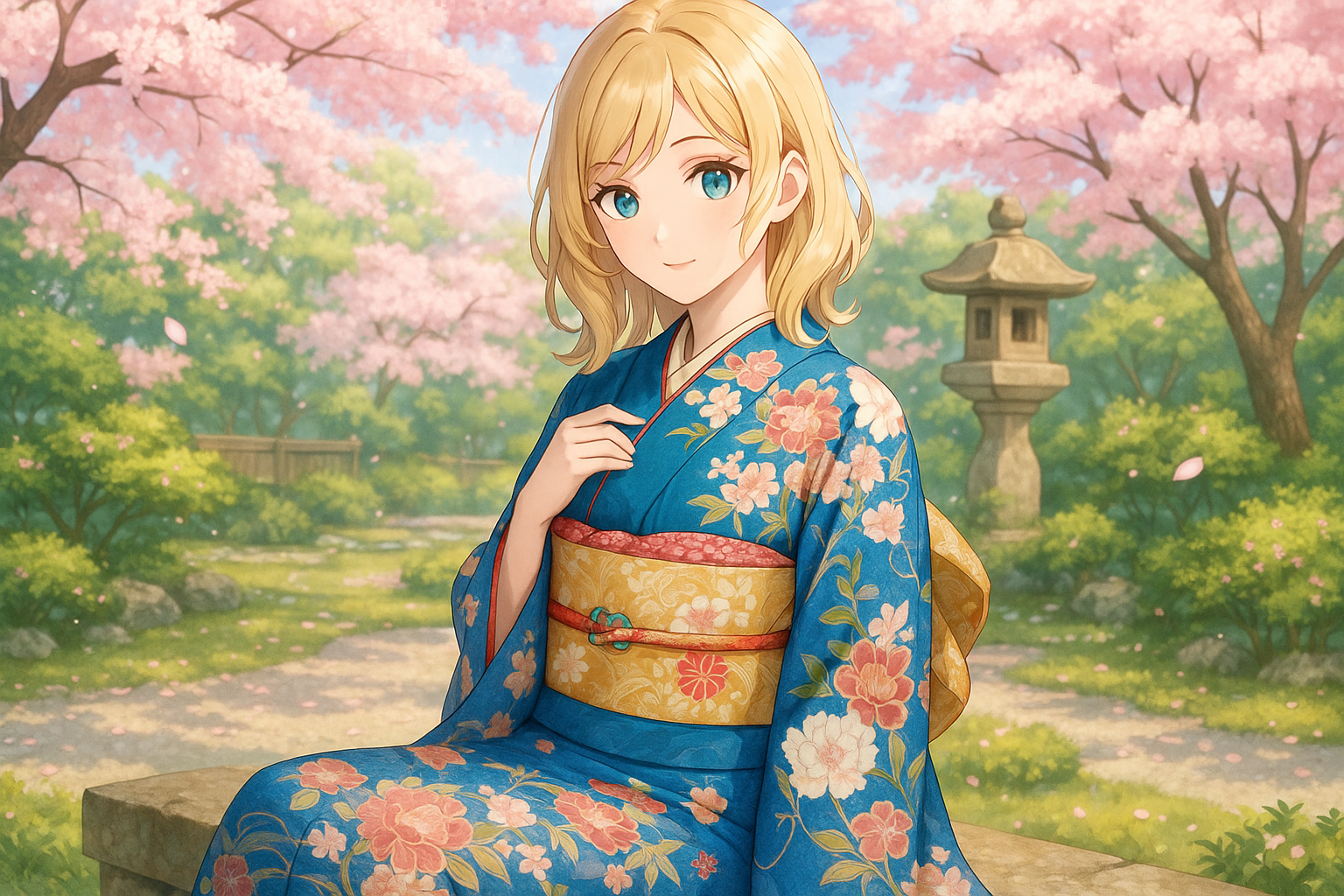
Introduction to Japanese Kimono
The world of kimono is a realm rich with tradition, artistry, and cultural significance. Among the many types of kimono, the homongi and tsukesage stand out for their elegance and sophistication. These garments are often chosen for formal occasions, and understanding their differences can enhance your appreciation and selection of these exquisite outfits.
What is a Homongi?
Homongi, which translates to "visiting dress," is a type of formal kimono that is versatile and suitable for a range of occasions. It is characterized by its elegant design and patterns that flow seamlessly across the shoulders and sleeves.
Key Features of Homongi
- Design: The patterns on a homongi are typically continuous and flow over the seams, creating a cohesive and harmonious look. This design technique is known as eba.
- Occasions: Homongi are suitable for weddings, tea ceremonies, and formal gatherings, making them a popular choice for women attending such events.
- Flexibility: While they are formal, homongi can be worn by both married and unmarried women, offering flexibility in social settings.
Understanding Tsukesage
Tsukesage is another type of formal kimono, slightly less formal than homongi but still elegant and refined. It is often chosen for semi-formal occasions.
Key Features of Tsukesage
- Design: In contrast to homongi, the patterns on a tsukesage are more restrained and do not cross over the seams. The designs are usually placed on specific areas such as the sleeves, shoulders, and hem.
- Occasions: Tsukesage is ideal for parties, tea ceremonies, and other semi-formal events. It offers a balance between simplicity and formality.
- Accessibility: Tsukesage is often considered more accessible for those new to wearing kimono, due to its simpler design and ease of wear.
How to Choose Between Homongi and Tsukesage
When deciding between a homongi and a tsukesage, consider the following factors:
Occasion and Formality
Determine the level of formality required for the event you plan to attend. For highly formal gatherings such as weddings or official ceremonies, a homongi might be more appropriate. For less formal occasions, a tsukesage can be a suitable choice.
Personal Style and Comfort
Your personal style and comfort should also guide your choice. If you prefer a more intricate and flowing design, opt for a homongi. If you lean towards simplicity with elegance, a tsukesage could be more appealing.
Practical Tips for Wearing Kimono
- Ensure the kimono fits well; the hem should fall gracefully, and the sleeves should align with your arms.
- Practice proper kitsuke (kimono dressing) or seek professional assistance to ensure the kimono is worn correctly.
- Accessorize appropriately with obi (sash) and other traditional adornments to complement your kimono.
Conclusion
Both homongi and tsukesage offer unique charms and are integral to the beauty of Japanese kimono culture. By understanding their differences and considering your personal preferences and the occasion, you can choose the kimono that best suits your needs. Embrace the elegance and tradition of kimono, and let these garments be a part of your cultural exploration and personal style.
Whether you are a beginner or an enthusiast in the world of kimono, exploring these beautiful garments can be a rewarding and enriching experience. Remember, the key to enjoying kimono lies in appreciating its artistry and wearing it with confidence and grace. 🌸
着物ライフをもっと楽しく!
LoM Netでは、着物をはじめとした日本の伝統文化を現代に活かす情報を発信しています。
「あなたらしい装い」を見つけるお手伝いをします。
着物に関するご質問やご相談はこちら
お問い合わせフォームへ和装担当 / 公式キャラクター
Onigiri Kun